

Paid MediaGoogle Ads will auto-apply website promotions to Search and Performance Max campaigns with location assets from October 12PPC Land · №015


FOR ESTATE & TRUST FIRMS
Tens of trillions in generational wealth moves over the next two decades, and estate planning, trust administration, and elder law firms sit at the center of it. Most still market like it is 1995. The bench brings the content, search, and referral experience; you bring the advisor list. Your first hour is free.
THE MARKET
Estate planning is the one major legal vertical where most clients do not search in the moment of need. They ask their financial advisor, their CPA, a friend, a lawyer they heard on a podcast. The decision sits on the to-do list for years.
The firms that win estate are not running big paid campaigns. They are building fifteen-year content authority and thirty-year advisor relationships, and being the name that gets passed around.

WHERE THE MONEY GOES
Estate marketing is the opposite of PI: small paid spend, heavy investment in advisor relationships, and long-cycle content authority that compounds for decades.
Sources: U.S. Census Bureau 2022 Economic Census (revenue at law offices with employees, so a floor); Gallup, 2021 (wills). No public source breaks out marketing spend by practice area. Tier descriptions are Firmatics estimates.
WHAT ESTATE & TRUST FIRMS FACE
A pipeline that lives on relationships, a low end going to software, and a moat that takes years to build. This is what estate firms bring to the bench.
Most of your business arrives through financial advisors, and few firms track which advisors refer, at what rate, or why. The pipeline lives on relationships nobody manages on purpose.
A cheap online will takes simple clients off the market. You cannot compete on price, so you reposition upmarket, which means repositioning your marketing.
Authority is the moat, and it takes years of consistent publishing. Most firms cannot sustain the investment without monthly proof it is working.
Estate work is transactional with long gaps: plans are signed, estates close, heirs go elsewhere. Continuous new-client acquisition is existential, and most firms treat estate as a retention business.
Modern estate firms are moving to flat-fee packages. Marketing a package is not marketing an hourly lawyer, and most firms have not made the shift in their message.
The retirement-center seminar of the 1990s is losing its pull, and podcasts, virtual events, and digital content have not fully replaced it. Whoever builds the next version owns the decade.
AN HOUR WITH AN OPERATOR
Coaching is 4 private hours a month with any operator on the bench, and your first hour is free. Bring your team or your agency. These are the Estate & trust conversations that happen there.
Turning the advisors who send you work into a program you can see and tend, from an operator who has built referral engines for professional firms.
Which authority play fits your firm and your decade, how to sustain it, and how to know whether it is producing plans rather than downloads.
An operator working on AI search every day on what to publish and how to measure visibility when there is no click.
Repositioning fees, packages, and message for complex plans and business owners, with an operator who has done the repositioning.
Where a small paid budget earns its keep in a long-consideration category, and where it is a donation to Google.
Designing the next version of the estate seminar, live and virtual, and the follow-up that turns attendees into plans.
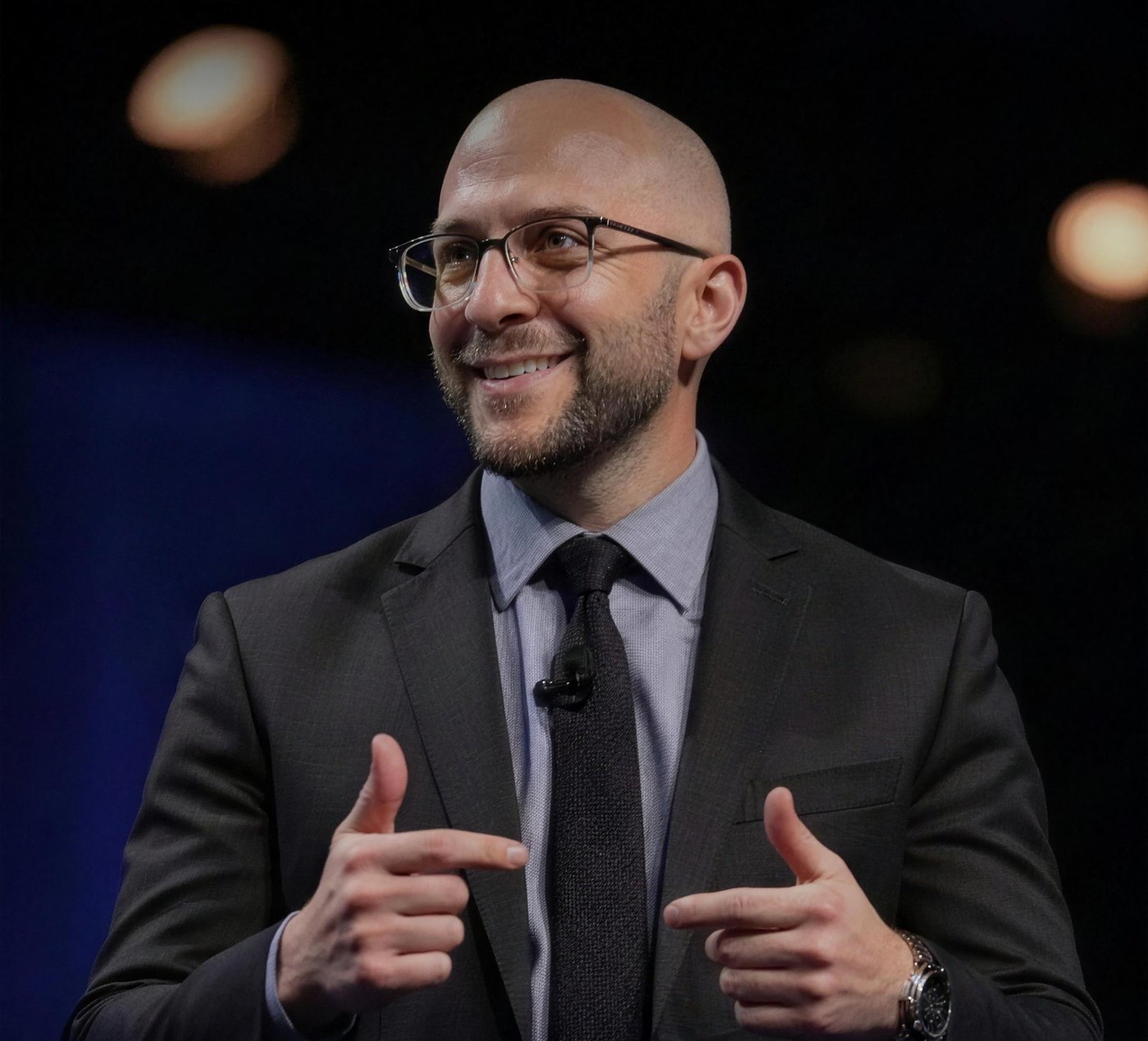




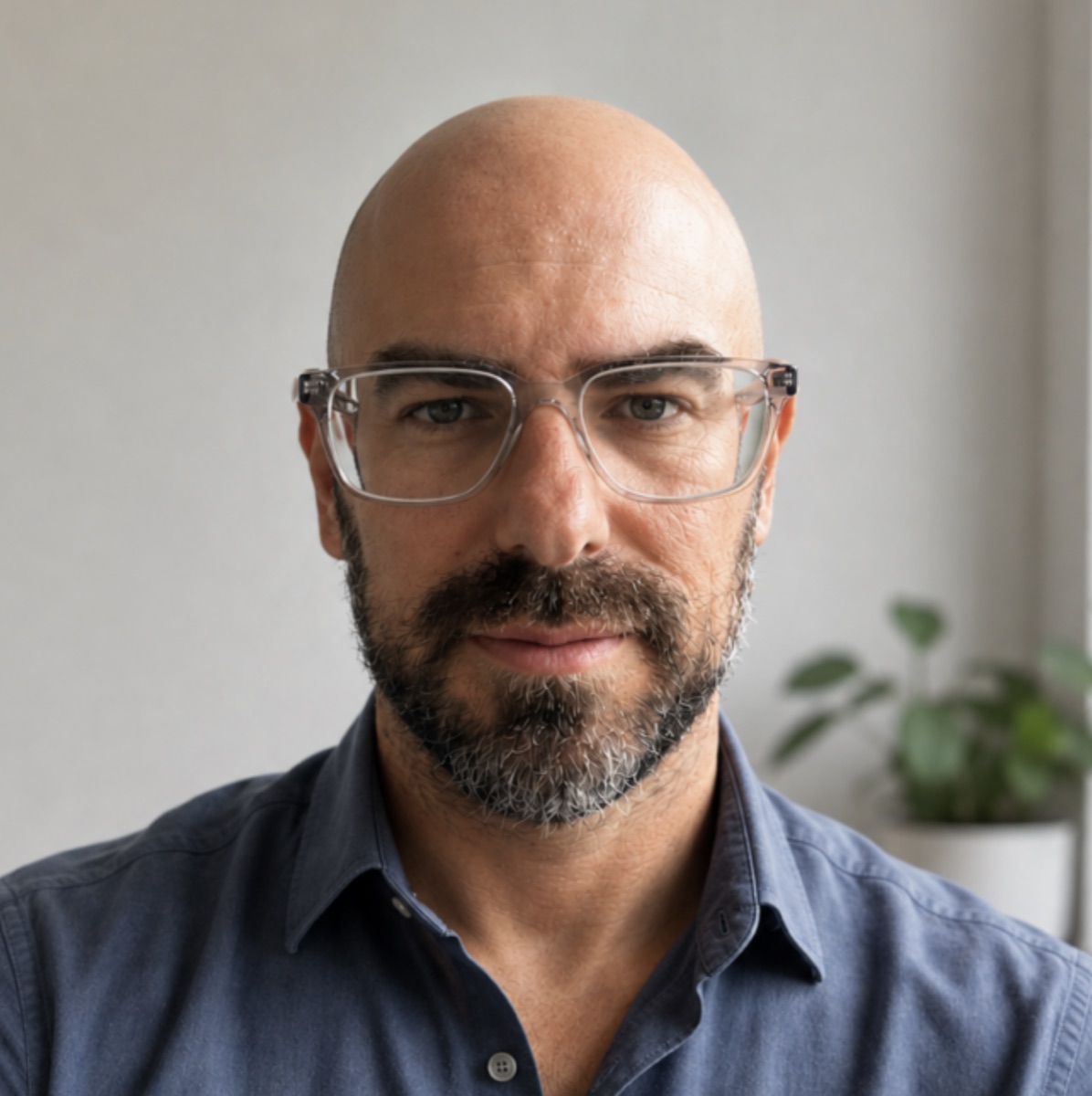
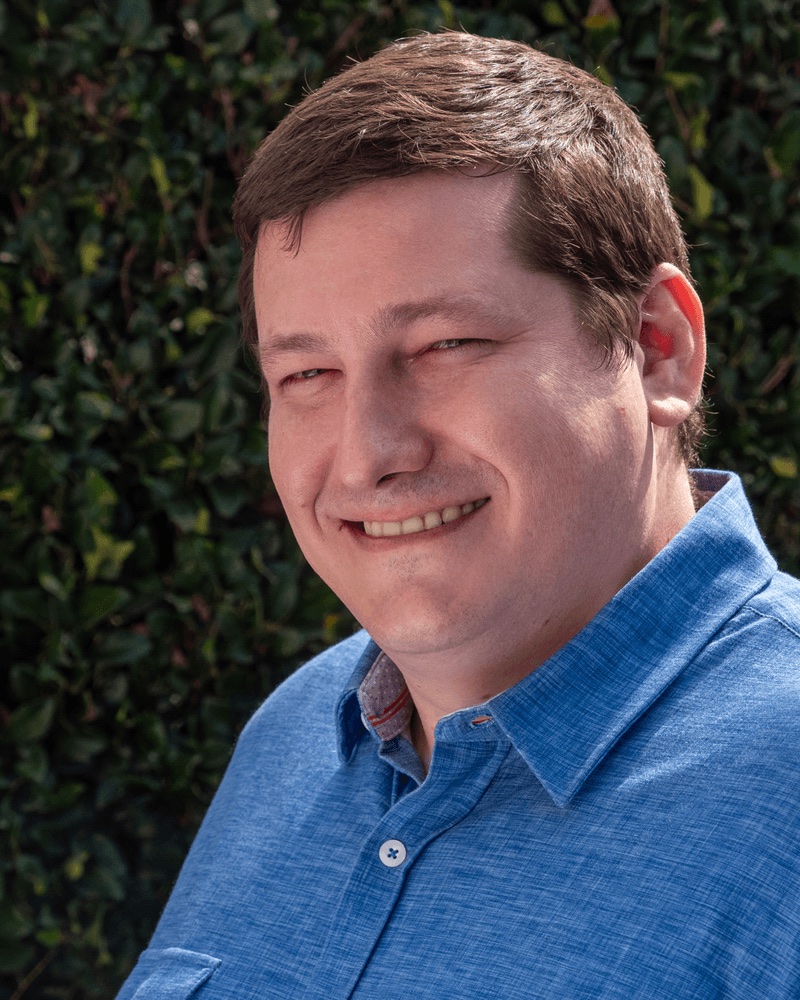
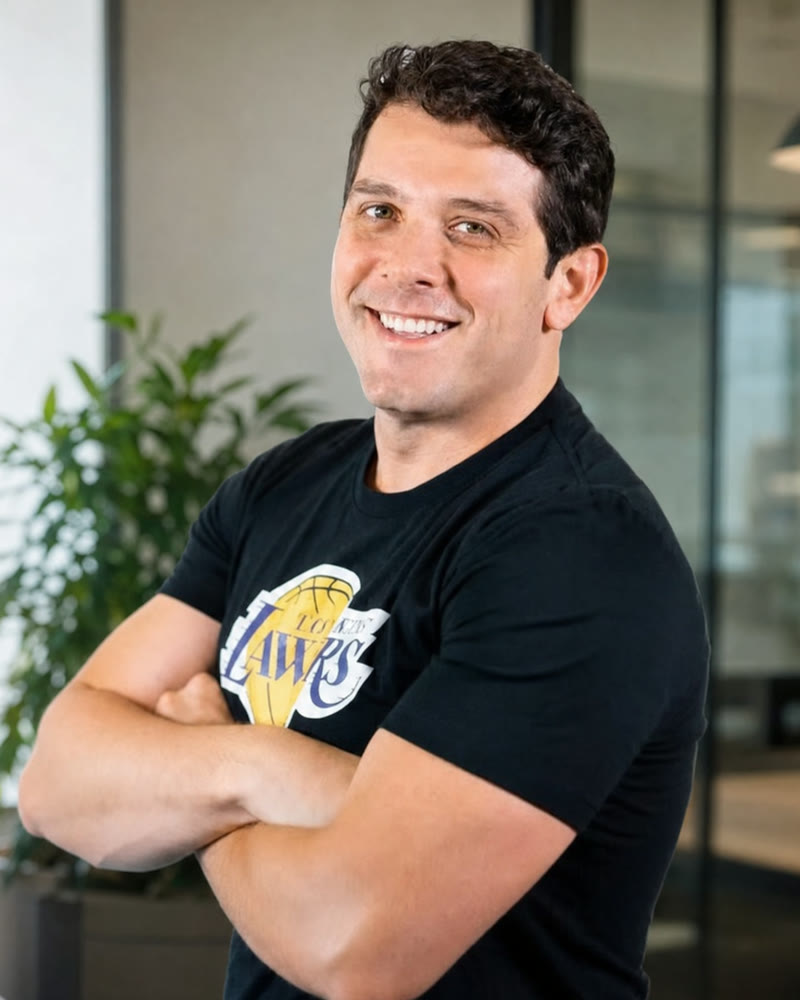
Any operator on the bench, any of these questions.
ESTATE & TRUST BY FIRM SIZE
Estate marketing changes with size, from local advisor relationships to national content authority and a platform with RIA and CPA partnerships.
COMMON QUESTIONS

The bench ran marketing at some of the largest consumer law firms in the country, deepest in personal injury, in the channels estate firms also buy: content, organic and AI search, paid search, referral programs, and attribution. Estate’s consideration cycle is different. The operator works from your numbers, not a PI template. Anything that needs legal judgment stays with your lawyers.
Yes. The marketing questions are the same ones: advisor referrals, content authority, long consideration windows, and positioning against DIY tools.
No. We never run your media and we do not sell leads. Coaching backs up your agency and your in-house team with a second opinion, a plan, and a read on the numbers. Good agencies like having an operator on the client side.
$2,000 per firm per month for four private one-hour credits with any operator on the bench, month to month. Your first hour is free: create an account, pick an operator, bring your numbers.
It is on the roadmap for 2027, after the reports now being written. It will publish fully on the site, free, and the Monday Brief will carry it the week it lands.
YOUR FIRST HOUR IS FREE
Your first hour with an operator is free. Bring the advisor list and the content calendar.
Meet the operators first