

Paid MediaGoogle Ads will auto-apply website promotions to Search and Performance Max campaigns with location assets from October 12PPC Land · №015


FOR REAL ESTATE LAW FIRMS
Real estate law runs on volume and relationships. A top realtor or team can send dozens of closings a year. The whole practice economy is a B2B referral graph hiding behind a consumer transaction. The bench brings the referral, content, and attribution experience; you bring the closing volume. Your first hour is free.
THE MARKET
Real estate law firms do not advertise to buyers. They market to the people buyers already trust: realtors, lenders, title companies, and builders. One realtor relationship can drive dozens of closings a year.
The motion is B2B. Closing-table reliability, turn time, and partner-facing technology beat logo design and paid search. The firms that win make realtors look good to their clients.

WHERE THE MONEY GOES
Real estate law has one of the most B2B channel mixes in legal. The money goes to relationship investment with realtor offices, lender rosters, and title partners.
Sources: U.S. Census Bureau 2022 Economic Census (revenue at law offices with employees, so a floor); ICE Mortgage Monitor, May 2026; National Association of Realtors (existing-home sales). No public source breaks out marketing spend by practice area. Tier descriptions are Firmatics estimates.
WHAT REAL ESTATE FIRMS FACE
A pipeline that lives in someone’s head, a market that swings with rates, and platforms rebuilding the closing from the lender side. This is what real estate firms bring to the bench.
Most closings come from realtors and lenders you can name but cannot quantify. Who is up, who is down, who is drifting to a competitor, who could send more. It is a business run on memory.
Transactional real estate is brutally cyclical. Most firms cut when volume drops and lose partner mindshare at exactly the wrong moment.
Venture-backed platforms are rebuilding the transaction from the lender side. Firms that do not invest in partner-facing technology become the slow step in someone else’s process.
Volume residential is process and realtor relationships. Commercial is thought leadership and broker networks. One marketing plan for both serves neither.
Co-marketing with lenders is the oxygen supply and the compliance minefield. Most firms operate on lore. Your counsel decides what is allowed; the operator helps you market well inside it.
Firms teach dozens of continuing-education classes a year to realtors. Which produced closings? Nobody measures, so nobody improves.
AN HOUR WITH AN OPERATOR
Coaching is 4 private hours a month with any operator on the bench, and your first hour is free. Bring your team or your agency. These are the Real estate conversations that happen there.
An operator who has built referral engines for professional firms on turning the phone list into a pipeline you can see, tend, and grow.
What lenders and title partners actually value, how to earn the slot, and how to keep it through a rate cycle.
Why the firms that invest in partner mindshare during the trough win the recovery, and how to budget for it.
Measuring relationship investment, from classes to lunches, so the calendar produces closings rather than attendance.
Separating the brands, the content, and the audiences for two businesses under one roof.
A data scientist who has built attribution for relationship-driven pipelines on tracking source to closing without burdening the closers.
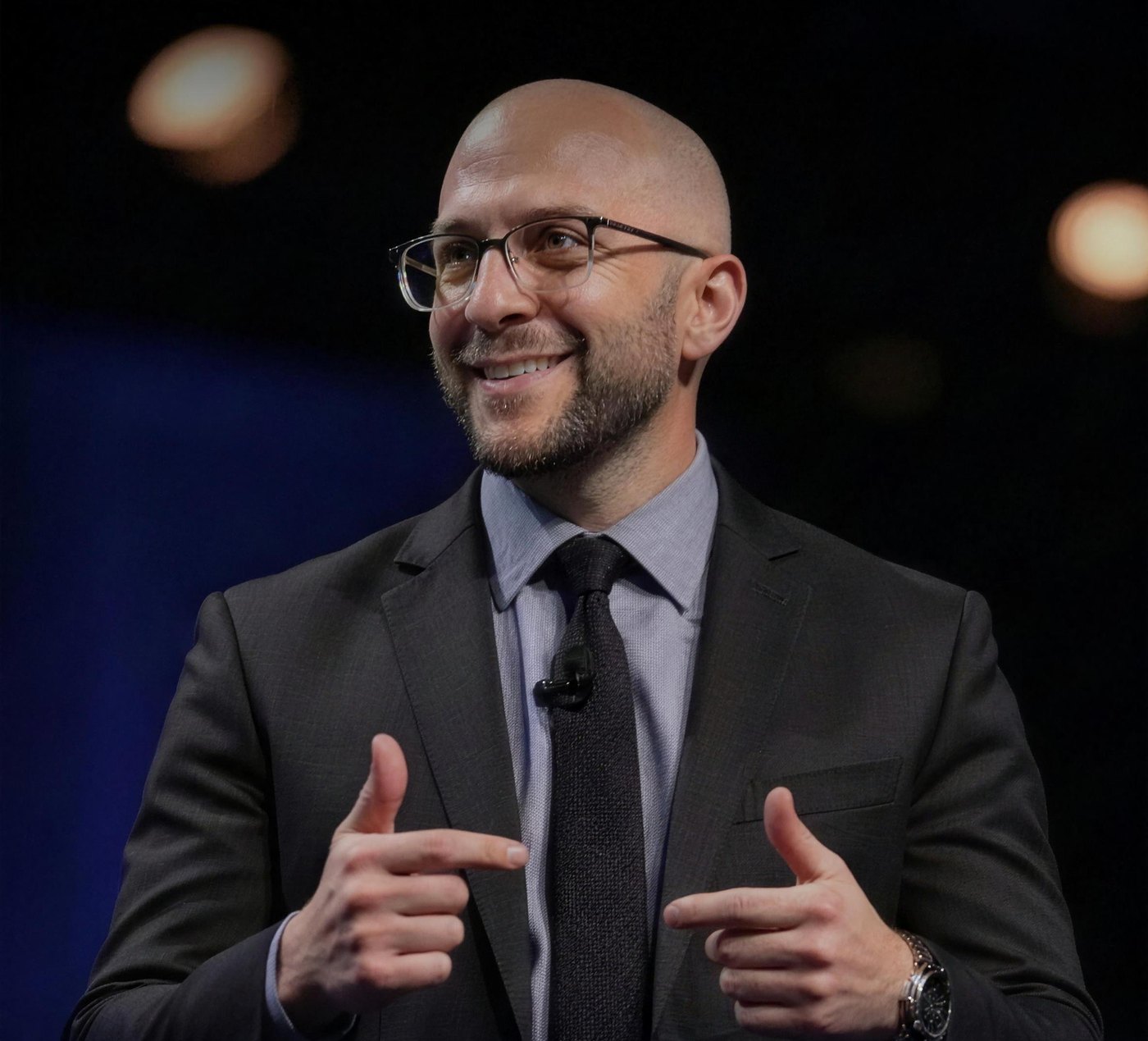




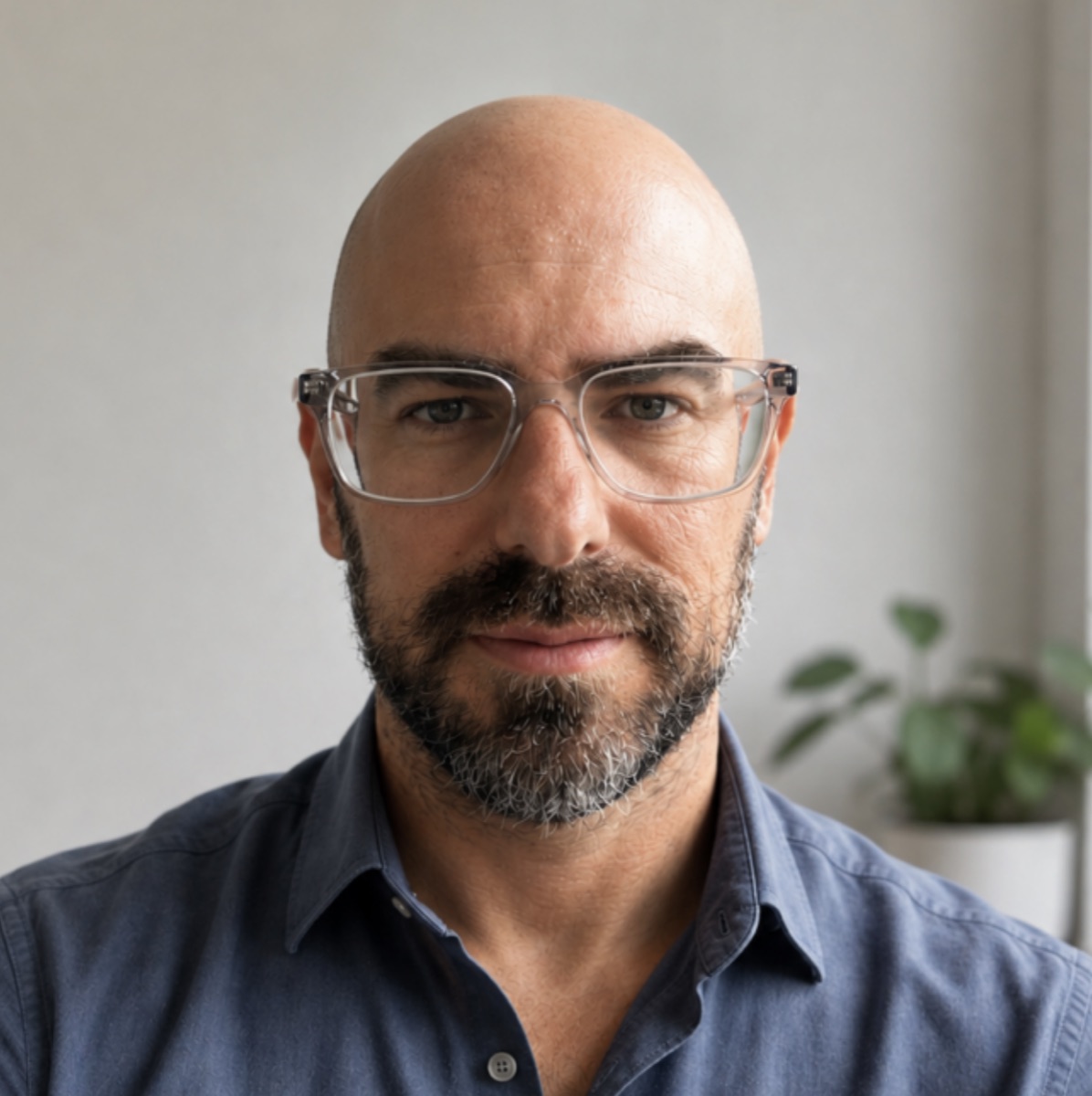

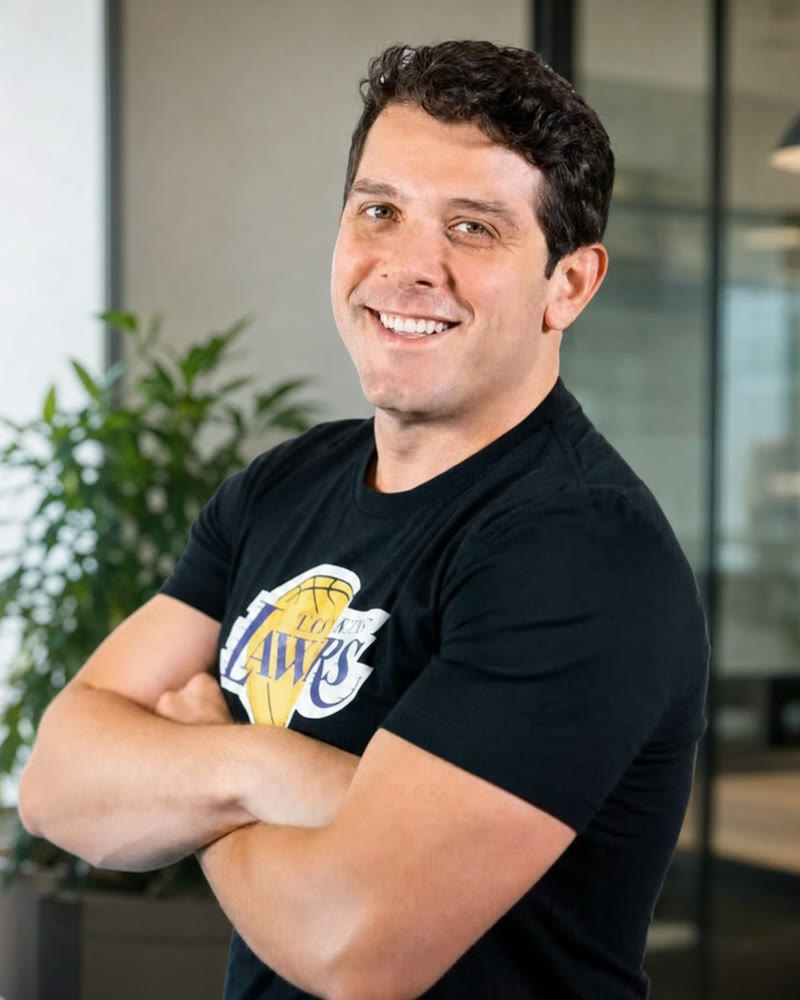
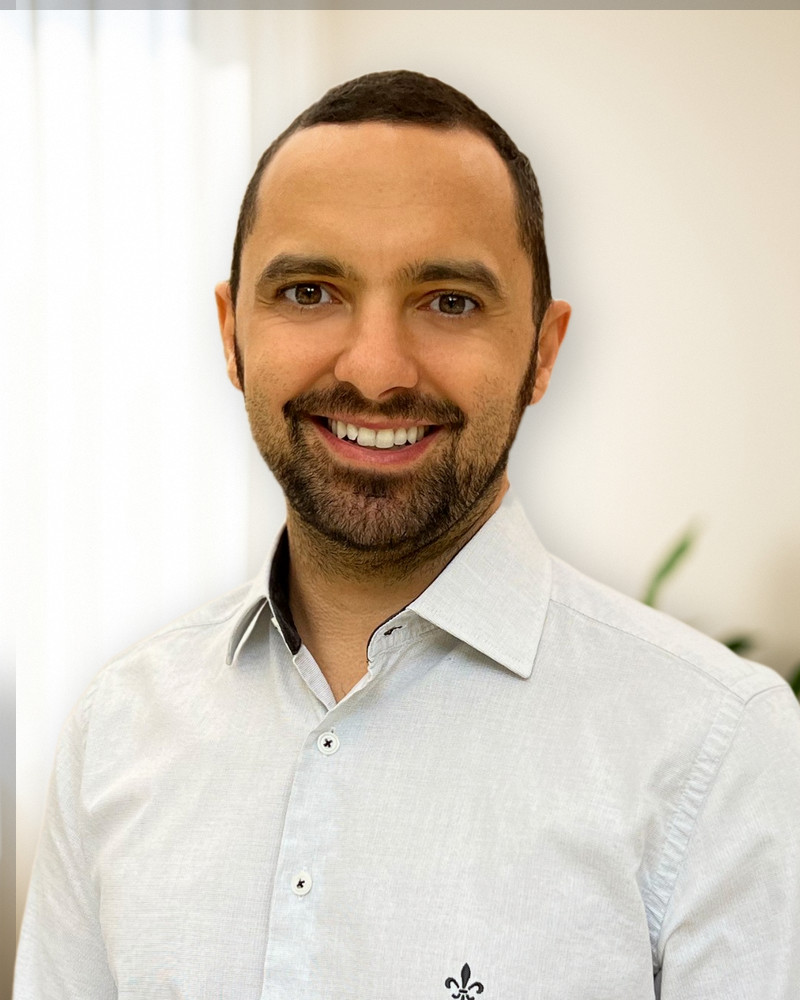
Any operator on the bench, any of these questions.
REAL ESTATE BY FIRM SIZE
Real estate law marketing changes with size, from a handful of core realtor relationships to a multi-state closing operation with a custom partner portal.
COMMON QUESTIONS

The bench ran marketing at some of the largest consumer law firms in the country, deepest in personal injury, in the channels real estate law firms also buy: referral programs, content, paid search, and attribution for relationship-driven pipelines. Real estate’s B2B motion is different, and the operator works from your closing numbers. The operator works from your numbers, not a PI template. Anything that needs legal judgment stays with your lawyers.
Yes. Thought leadership, broker networks, and event-driven relationship marketing are regular conversations on the bench, and so is running commercial and residential under one roof.
No. We never run your media and we do not sell leads. Coaching backs up your agency and your in-house team with a second opinion, a plan, and a read on the numbers. Good agencies like having an operator on the client side.
$2,000 per firm per month for four private one-hour credits with any operator on the bench, month to month. Your first hour is free: create an account, pick an operator, bring your numbers.
It is on the roadmap for 2027, after the reports now being written. It will publish fully on the site, free, and the Monday Brief will carry it the week it lands.
YOUR FIRST HOUR IS FREE
Your first hour with an operator is free. Bring the closing volume by partner, even if it is on a napkin.
Meet the operators first